Summer Triathlons, Sprint Workouts, and Proper Hydration


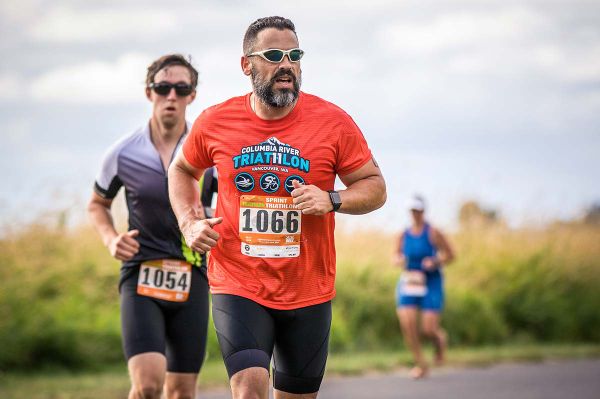
Long days and heavy heat might have you headed straight for a cold dip after your daily run. Maybe it’s time to switch to the pool for some workouts, and sign up for that triathlon you’ve wanted to knock out. A sprint distance is perfect for novices or anyone with less time to train, while a change of scenery can motivate the more experienced multisport athlete to jump into a long-course event.
June 6 Oliver Triathlon Oliver, BC, Canada
June 6 Lake Wilderness Run and Lake Wilderness Triathlon Maple Valley, WA
June 21 IRONMAN 70.3 Coeur d'Alene Coeur d'Alene, ID
July 12 Mountain Man Triathlon: Sprint and Olympic Flagstaff, AZ
July 19 Montana Women's Triathlon Helena, MT
Yep, suddenly it’s summer, and around here we’re definitely suffering a bit trying to heat-acclimate. I used to pride myself on thriving under the hot summer sun, but as I get older, this superpower seems to be waning. Now I’m into lightweight long sleeves, SPF fabrics, and all-day hydration. Listen to some no-gimmicky tips on sweat tests, combining fueling with hydration, and basic heat training in this recent Trail Society podcast.
Solving the Hot Weather Hydration and Fueling Puzzle
The heat may also make long, intense workouts sound rather uninviting during the summer months. Don’t sweat it - focus on short, speedy sprint intervals. While there’s not one magical workout, one ”study’s prescription of three sets of 6 × 30 m sprints, performed twice weekly for six weeks, emerges as the optimal intervention.” Have fun mixing it up with 15-second to 1-minute intervals, take it to a nearby hill, or try some old-fashioned fartleks. The point is, just a small bit of concentrated power and speed work ”can deliver huge gains in endurance, acceleration, and race-day kick.”
The Sprint Training Workout That Makes Runners Faster (And It’s Shockingly Simple)
For many years, ultrarunning has been a fringe sport, with few registrants at events, low fees, and zero media attention. Not so much anymore! Events from 50K up to 200+ miles now sell out fast and are often live-streamed, offering payouts to top athletes and opportunities for major sponsorship deals. While 200+ miles might seem like a ridiculous distance to cover in one go, you can’t ignore last week’s incredible Cocodona 250 performance by ultra superstar, Rachel Entrekin, who won the race outright and set a new overall course record. Her sponsor, Precision Fuel & Hydration, crewed Rachel and documented the race in this short video.
The Queen of Cocodona(and running 250 miles without a watch?!)
Interested in what it takes to run 200 miles? Or 100 miles? One of the original ultrarunners, Ian Sharman, breaks down the distances, while Ashley Arnold, also an ultrarunner-extraordinaire, describes (maybe) the most important piece of racing to master: eating.
200-Milers vs. 100-Milers
Fueling For Ultras Can Be Complicated: Here’s How I Finally Made It Work For Me
Looking for training programs for Half Marathon to Ultramarathon? Check out our FREE and members-only plans.
 Susan Lieto